


SAN FRANCISCO — Google nailed e-mail with the 2004 introduction of Gmail. Now it’s the No. 1 form of electronic correspondence in the United States.
But as traditional e-mail falls out of favor with a growing sliver of the population, Google has struggled to release newer messaging tools that resonate widely.
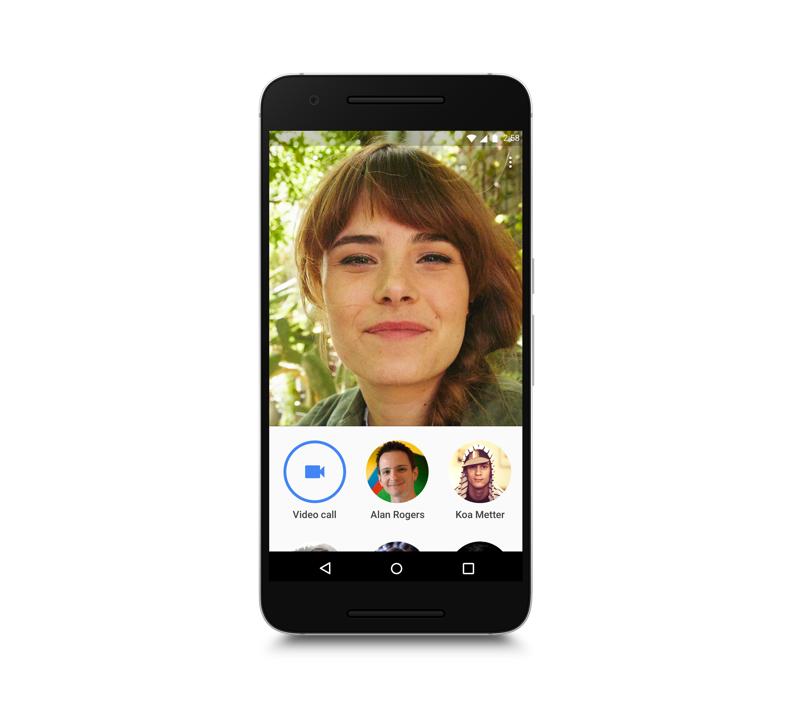
Now Google is trying again with a new video chat application called Duo. The app works with mobile devices running Google’s Android operating system and Apple’s iOS. It runs on Wi-Fi and cellular networks, automatically switching between different types and speeds of connection and adjusting video quality.
Duo also uses phone numbers, rather than a Google account or Gmail address, making it easier to call friends, family, and other people already stored on smartphone contact lists.
The company’s existing video calling and messaging app, Hangouts, requires a Google account, which limited adoption, especially in emerging markets. Facebook’s Whats-App, Skype — now owned by Microsoft — and Apple’s FaceTime used phone numbers to grow faster.
A confusing array of communication options has held Google back. It has two e-mail services — Gmail, which is the top e-mail service in the United States based on unique visitors, according to ComScore, and Inbox; three text offerings, Hangouts, Messenger, and the upcoming Allo; and now two video chat services, Duo and Hangouts (which offers texting and video calls).
This scattershot approach, and Google’s late start, is becoming more costly for the Alphabet Inc. division as messaging evolves from a simple way to communicate quickly into one of the next big technology platforms supporting digital commerce, advertising, and new services powered by artificial intelligence.
“Google missed it because of the requirement that you needed a Google ID to communicate with others,’’ said Ankit Jain, a former Google employee and executive at SimilarWeb Inc., which measures website and mobile app usage.
Hangouts will be a workplace service, offering group video conferencing mostly via desktop computers and office laptops, said Nick Fox, a 13-year Google veteran who is in charge of fixing the sprawl.
Duo is a mobile app and only allows one-to-one video calling, limiting it as a consumer offering. Allo, a messaging service coming out this year, will also target consumers, Fox said. Google’s Messenger is a basic text system, part of a group of services provided to wireless carriers that work closely with Android.
Allo will use Google’s expertise in artificial intelligence to understand texts and provide useful suggestions. Google will also let third-party developers create chatbots that interact with Allo users through messages.
 PREVIOUS ARTICLE