


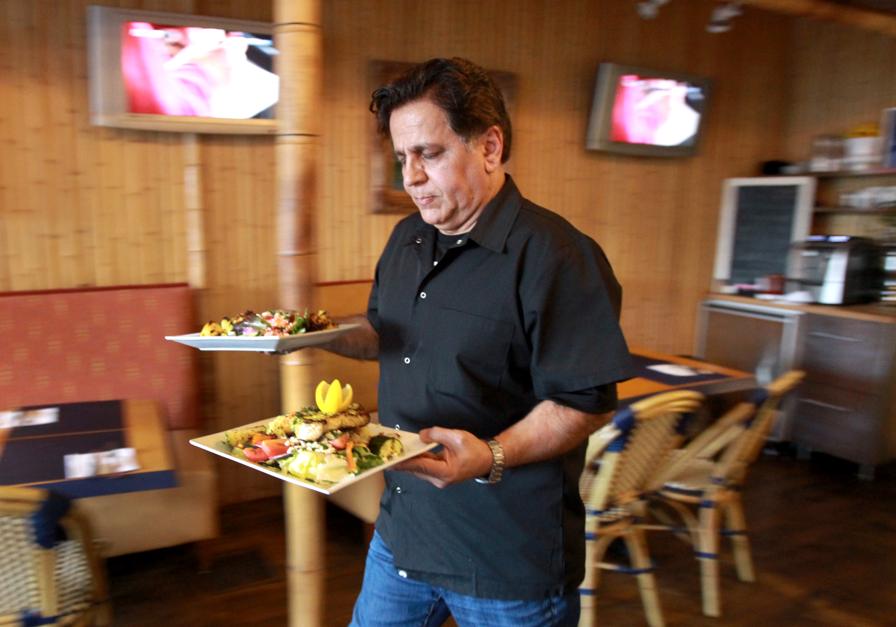
Ever since he opened The Grill in downtown Waltham, head chef and owner Alireza Nowrouzi has been seeking what he believes is the golden ticket to a successful restaurant: a liquor license.
So far, his search has been long and fruitless. City Hall has no more licenses to hand out, and Nowrouzi says the permits already owned by proprietors are expensive and hard to come by.
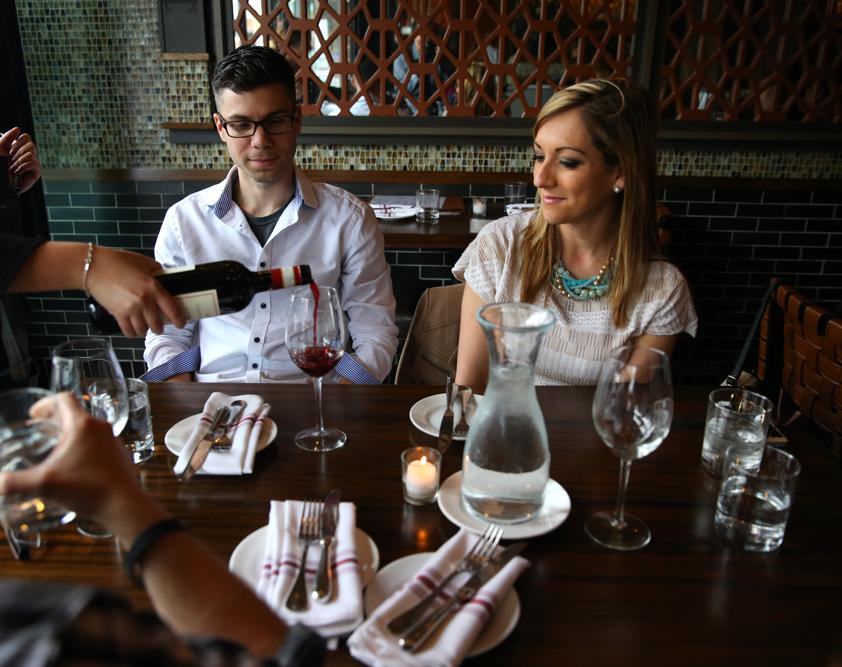
“Customers like our food but always mention that it would be nice to have a drink with dinner,’’ said Nowrouzi, who opened the Pine Street establishment 2½ years ago. “We lose reservations and have people walk out when they find out we don’t serve alcohol.’’
But as Waltham considers pursuing more liquor licenses to help support new commercial developments and boost the city’s dining scene, some restaurants and bars have banded together to keep things the way they are.
A proposal to add 30 licenses — 15 full liquor and 15 beer and wine — needs City Council approval before a home rule petition can be sent to the state Legislature. The council’s Licenses and Franchises Committee will hold a special public meeting on the issue on Tuesday, June 7, at 6 p.m.
Under the plan, the new licenses would be owned by the city, instead of by individual restaurant proprietors as they are now. Holders of the new permits would pay yearly fees and forfeit the licenses back to the city if they went out of business or moved out of Waltham.
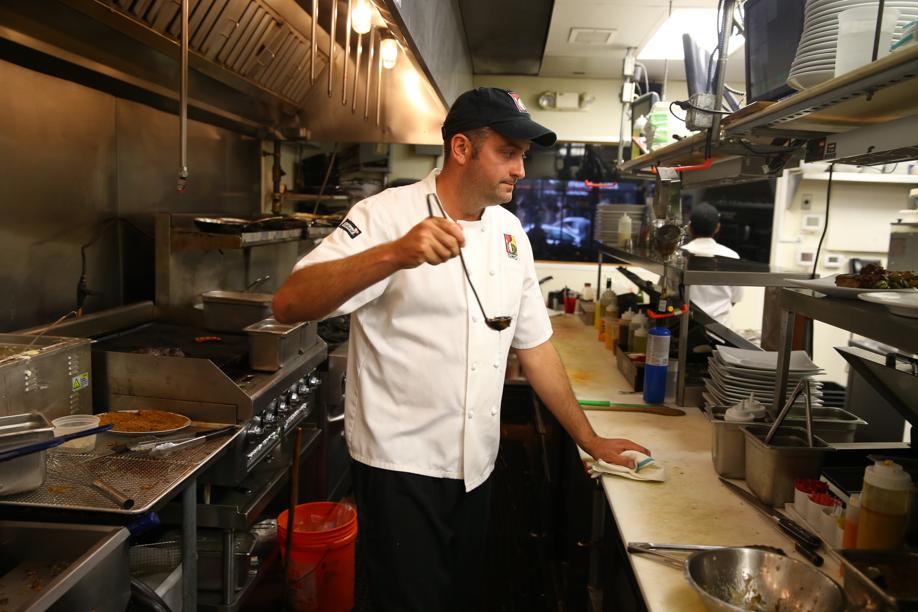
Nathan Sigel, head chef and owner of Tempo on Moody Street, is leading the charge against the plan.
He said current license holders are wary that an influx of new permits will render their existing licenses — for which some paid close to $100,000 — valueless. He also maintains that too many additional licenses will oversaturate a market that already offers ample opportunity for change.
“Over the past few years, I’ve counted 40 new restaurants,’’ Sigel said, referring to eateries that bought liquor licenses from other establishments. “There’s no stagnancy and no lack of opportunity. Economic development doesn’t mean we should oversaturate the market.’’
Wayne Brasco, chairman of the city’s License Commission, disagrees. He said he started pressing for new permits seven years ago based on demand, and drafted the current proposal to accommodate proprietors like Nowrouzi, as well as restaurants looking to move into the new 1265 Main development at the former Polaroid headquarters.
Last year, the Legislature approved 28 separate bills granting 71 new liquor licenses to 18 communities that have reached the state’s population-based cap, according to the Alcoholic Beverages Control Commission.
Watertown is the latest nearby community to make the move, gaining state permission to issue 15 new licenses that will be leased to proprietors on an annual basis.
In Waltham, at least 12 businesses have come forward over the past year looking for a liquor license, Brasco said, including two hotels that he thinks will bring jobs and a higher volume of patrons to the city.
Sigel said he agrees that more licenses should be made available to the new hotels, but said adding 30 permits would hurt current license holders. He said the new system would drive the value of his license down so much that, when the time came, he would have to sell it for less money than he paid.
Nowrouzi, on the other hand, doesn’t think it’s fair that current licensees can use their permits as a bargaining chip.
“They’re trying to protect their assets,’’ he said. “This is not being fair to the competition; it’s monopolizing the market.’’
Rather than saturating the market, Nowrouzi maintains, having a greater variety of restaurants with liquor licenses would actually bring more patrons to the city, particularly as people move into new housing developments downtown.
Brasco echoed that opinion, saying that promoting a vibrant downtown area with diverse restaurants is crucial to accommodate the new wave of young working professionals flooding the city. He added that the new licenses would be distributed gradually.
Brasco’s son, City Council member Paul Brasco, serves on the council’s Licenses and Franchises committee. He met with several downtown restaurant owners about the proposal in April and urged them to come up with a compromise.
Sigel responded by bringing a compromise proposal to the committee’s May 1 meeting.
His proposal, signed by representatives from seven downtown restaurants, would trim the number of potential licenses to six — three full liquor and three beer and wine.
It states that no more than two licenses should be distributed each year and establishes a six-month waiting period, during which prospective restaurant owners would have to seek out existing licenses for sale before being awarded one from the city.
The proposal emphasizes the need for promoting additional retail stores in concurrence with liquor licenses, a move that Sigel says will bring in additional patrons to existing restaurants.
During the meeting, Paul Brasco emphasized the importance of collaboration between the committee and current license holders. “We want to draft something that is equitable for everyone,’’ he said.
Although he thinks 30 is an unrealistic number, Paul Brasco said adding licenses to the current 77 is crucial for promoting Waltham’s economy and competing with surrounding towns.
“We’re competing against other cities that are just hammering us because we don’t have these licenses,’’ he said, adding that new restaurants would “add to a vibrant community’’ and “attract businesses that make Waltham a better city that’s a destination to go to.’’
Bailey Putnam can be reached at bailey.putnam@globe.com.
 PREVIOUS ARTICLE