


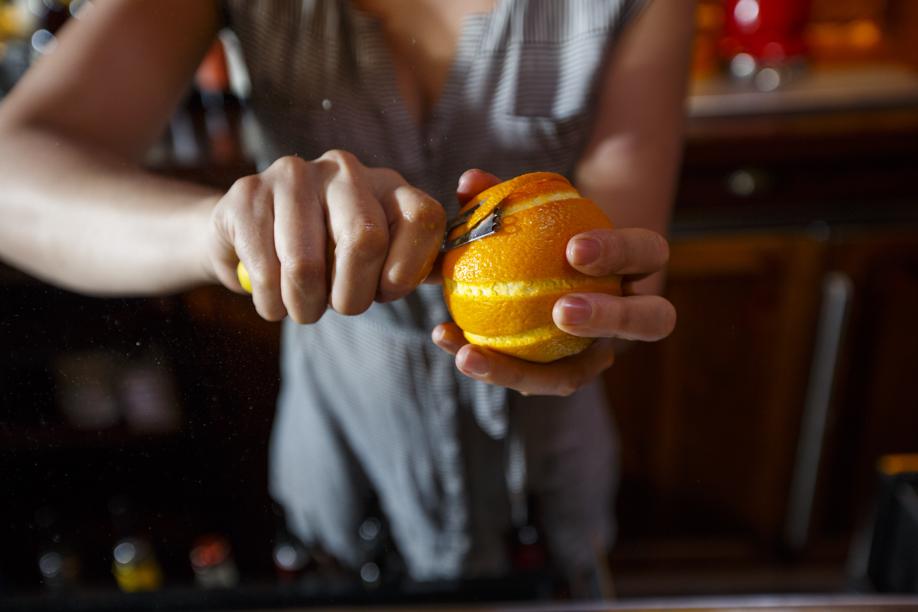
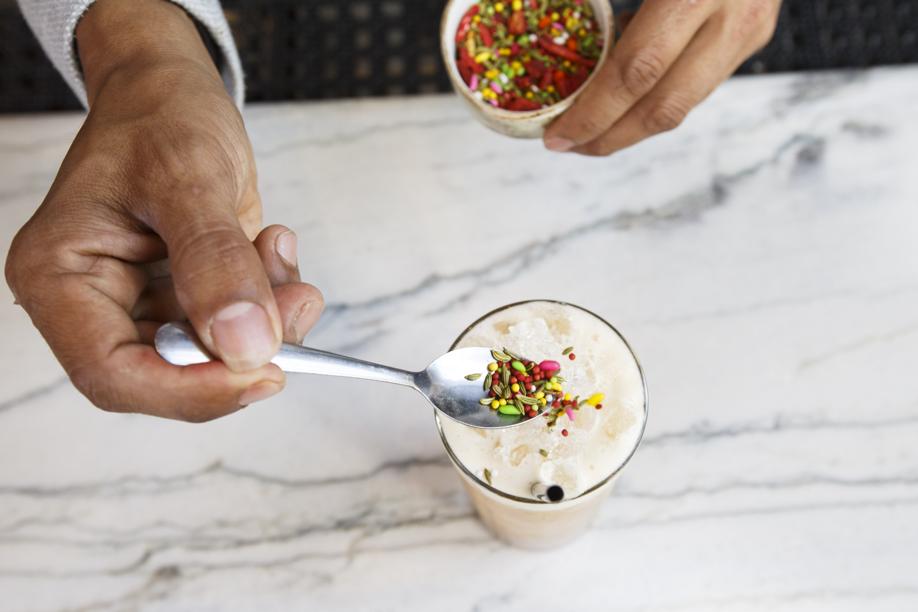
A spirits-industry convention in New Orleans, with more than 15,000 people in attendance, is everything you imagine it would be — if you have a lively imagination. Tales of the Cocktail, which took place for the 14th year last month, features several days of back-to-back seminars about everything from the chemical compounds that give whiskey its specific flavors to the effects of different drink-shaking methods to the complicated history of gin. There are over-the-top parties, too. Over the course of this year’s event, 9,258 bottles of spirit were emptied in tasting rooms, at seminars, and during the gala awards ceremony.
More than anything, though, Tales is a meeting of the minds. There are endless opportunities for bartenders to swap ideas, philosophies, pro tips, and recipes, and to learn about new brands and ingredients. They bring this information home, where it eventually trickles down to your local watering hole. Here are some of the dominant trends spotted at this year’s Tales of the Cocktail — coming soon to a bar near you (plus a few recipes from area bartenders).
Wake and shake
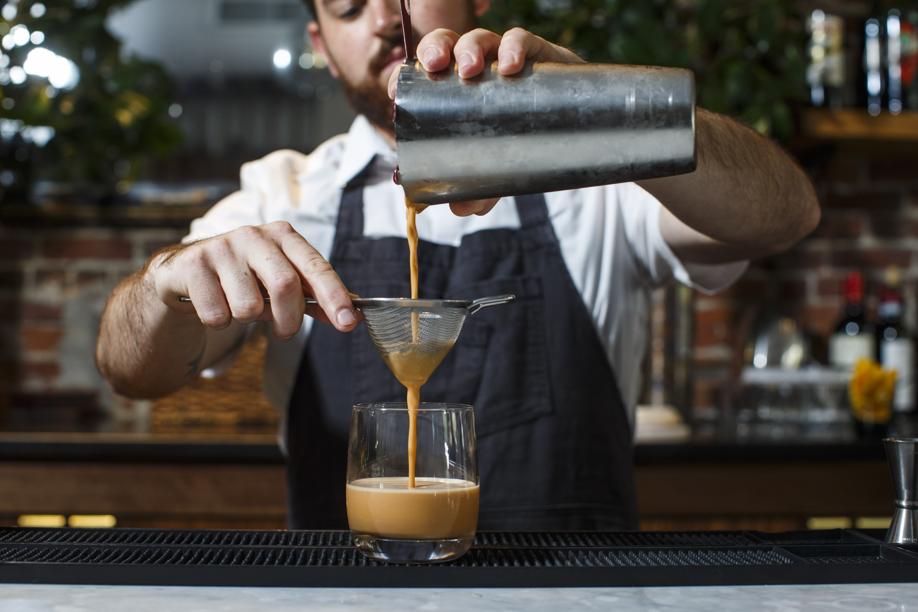
Coffee culture has evolved alongside cocktail culture. It was only a matter of time before bartenders began picking up tricks from baristas. Irish coffee and its ilk, of course, have long been go-to winter warmers. But now bartenders have started to view espresso and other caffeinated brews as “modifiers’’ — ingredients that add character to cocktails, such as bitters or vermouth. For instance, at Tales of the Cocktail, a drink featured in a tasting room of Italian liqueurs combined espresso with two different amari, spiced rum, tiki bitters, and nutmeg, offering depth that would be difficult to achieve with alcohol alone.
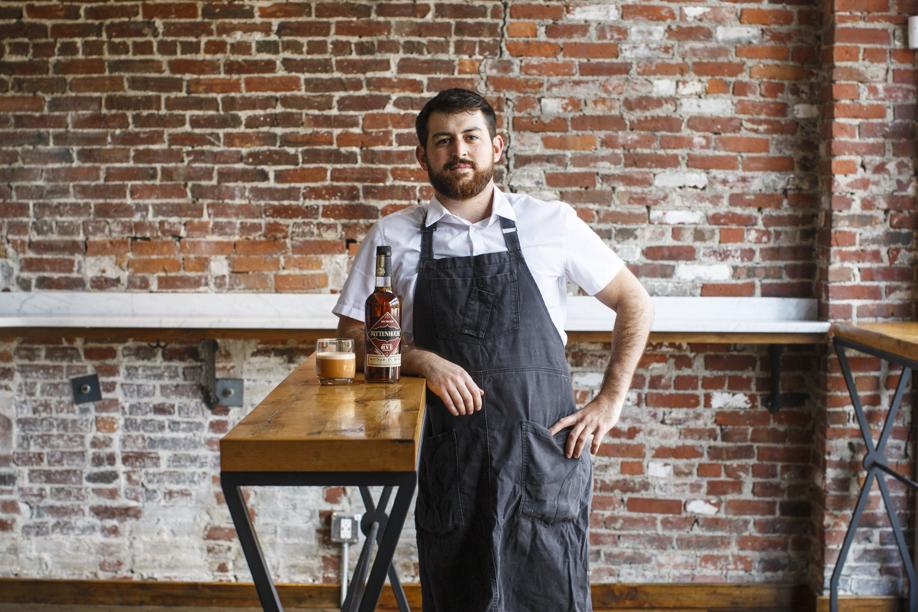
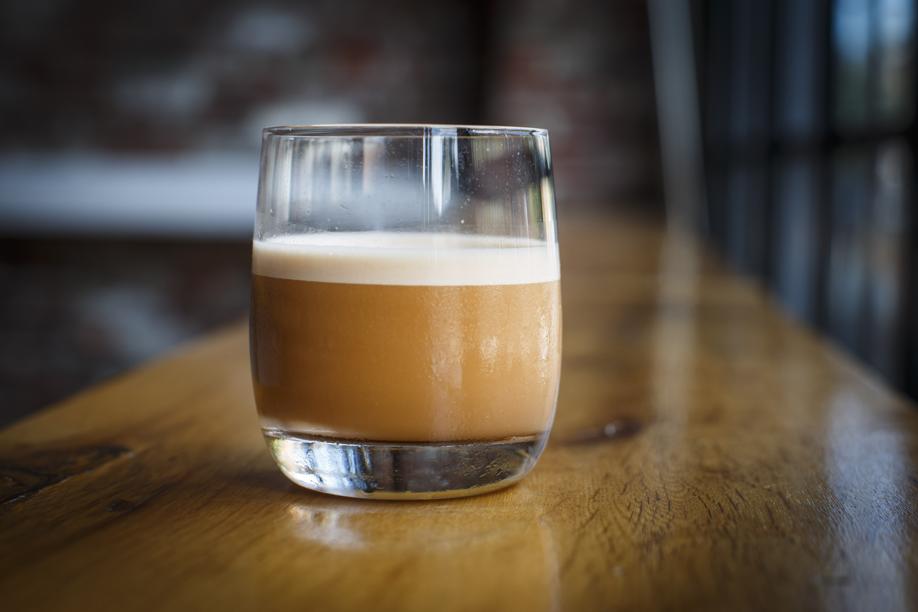
Locally, at SRV in the South End, bartender John Benevides augments his Dolce Vita — a frothy, rye-based egg drink — with a shot of espresso. “The great thing about coffee and espresso in cocktails is the bitter factor,’’ Benevides says. “The Old Fashioned, the very first cocktail, relied on bitters to round it out. Espresso also has attributes that make a well-rounded cocktail. It adds an aromatic component, too, also like bitters.’’
Not the Jager you knew in college
It’s hardly new. But Jagermeister, that mainstay of sports bars and dives, is undergoing a massive makeover, and the party the brand threw at Tales served as its debutante ball. There were no chilled shots on hand, just intricate cocktails designed to accentuate specific elements of the nearly century-old recipe, which involves 56 herbs and spices — clove, lavender, bitter orange — and several steps of aging and maceration. How intricate? One concoction combined coffee-bean-infused white wine, chicory, birch ash, and Jager. It doesn’t taste as far-fetched as it sounds. As more bartenders discover Jagermeister’s mixability, we are likely to start spotting it in increasingly fascinating drinks.
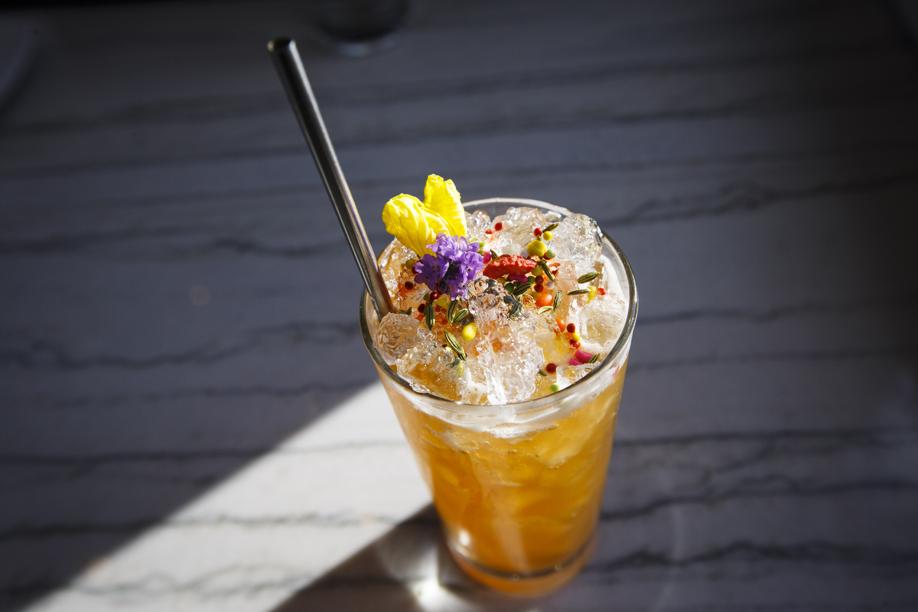
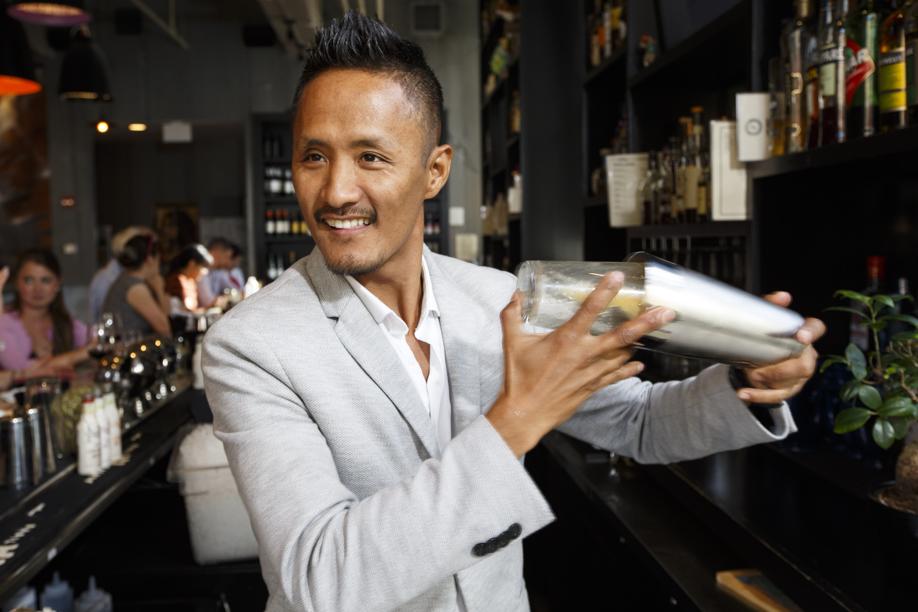
“I always love playing with amari, which have amazing herbal characteristics but aren’t always sweet enough,’’ says Tenzin Konchok Samdo, beverage director at Tavern Road in Fort Point, where he includes Jager in a drink called Madam Madeline. “Jager has sweetness and herbal characteristics, and since I like to stay away from syrup sweeteners when I make drinks, it’s a really equalizing sweetener. Plus the flavor profile of spices and herbs plays well with different spirits.’’
Ageless Japanese whiskey
Japanese whiskey has become a hot commodity. And that’s a problem. Those in the industry, which traces its roots back to the 1920s, could never have foreseen the popularity boom; as demand has grown, the whiskeys, many aged for more than a decade, have disappeared. That’s why highly regarded Japanese companies like Suntory and Nikka have released products without a declared age, but with precision-engineered nuance — good enough to make purists second-guess the conviction that with stated age comes superiority. Suntory, for instance, introduced its new product Toki, while Nikka showcased its exquisite Coffey Grain and the brand new Coffey Malt.
How low can you go?
Having one — or several — too many is passé. More and more, bartenders are bringing lower-alcohol products into the spotlight. Think drinks like the Aperol spritz or Campari and soda. And then there’s vermouth, which, before cocktail culture emerged in the late 19th century, was a luxury product (thanks to the use of exotic herbs) consumed on its own. The “dry’’ and “sweet’’ classifications that have long been part of the cocktail lingua franca are just the beginning, as more companies bring in vermouths from small, generations-old family producers in Europe.
“In a cocktail, different ingredients are meant to add flavors to create a complex finished product. With vermouth, you typically have two dozen herbs in a recipe . . . so you have something already complex,’’ says John Troia, cofounder and director of Tempus Fugit Spirits, a San Francisco-based company that resurrects historic liquor recipes. They’ve worked with European producers to develop four vermouths, each a different traditional style. On its own, “it achieves the goal of a cocktail: a complex, flavorful finished beverage.’’ Troia recommends adding a splash of soda: The effervescence expands the flavor on your palate.
Boilermakers for connoisseurs
That old shot-and-a-beer routine, a staple of dive bars planetwide, has moved uptown. Previously a lackluster ritual enacted without regard for alcohol brand, it now receives the kind of attention usually reserved for food-and-wine pairings. “Every brewer took the time to get a recipe with the right taste profile . . . the same way that a distiller does,’’ says Elayne Duff, global event manager for AB InBev, the international conglomerate that owns Budweiser and is now turning attention to smaller labels. Duff, a cocktail-industry veteran, curated an event focused on boilermakers at Tales of the Cocktail. It paired, for instance, a hoppy IPA with an American rye; the beer’s bitterness and the rye’s spiciness harmonized.
Amaro, front and center
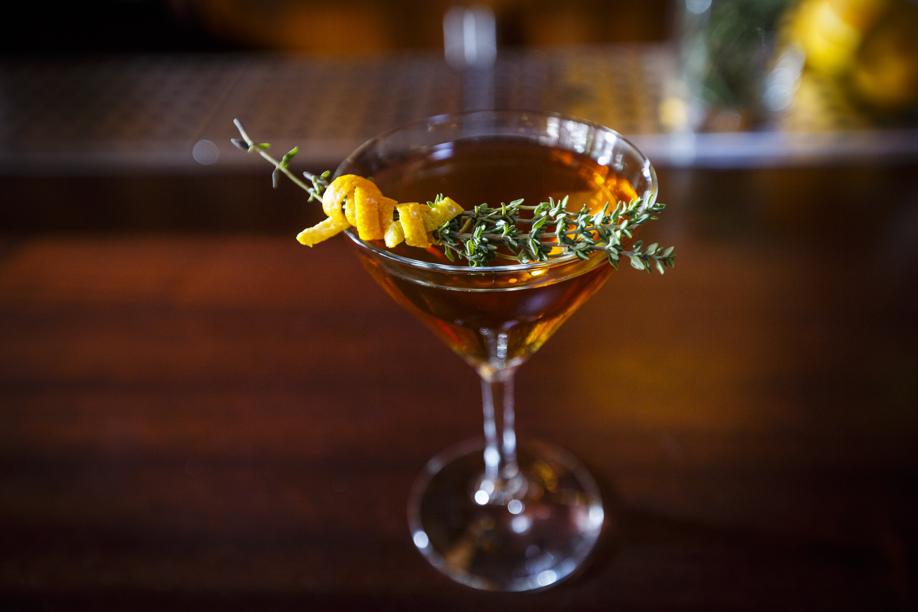
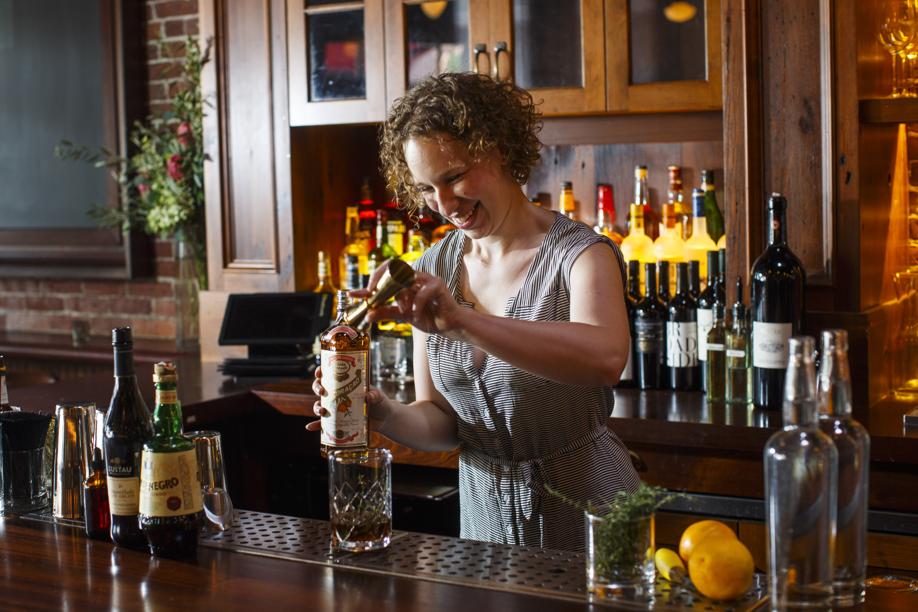
Amari (singular: amaro) are polarizing. Some say the bitter Italian liqueurs, traditionally consumed as digestivi, taste like cough syrup. Others relish their complexity and unique flavors. In cocktails, amari have long been used as modifiers, sometimes replacing common bitters like Angostura to tie a drink’s ingredients together. More and more, though, bartenders are using the herbal liqueurs as the very foundation of the cocktail. Naomi Levy, who bartends at Capo, competed in a contest held by Amaro Montenegro, a popular Italian brand; it is the base of her drink Montenegro Time. “They’re such versatile ingredients. They’re so deep and well integrated,’’ she says. “They offer so much complexity, flavors that are curated for you.’’
Back to basics
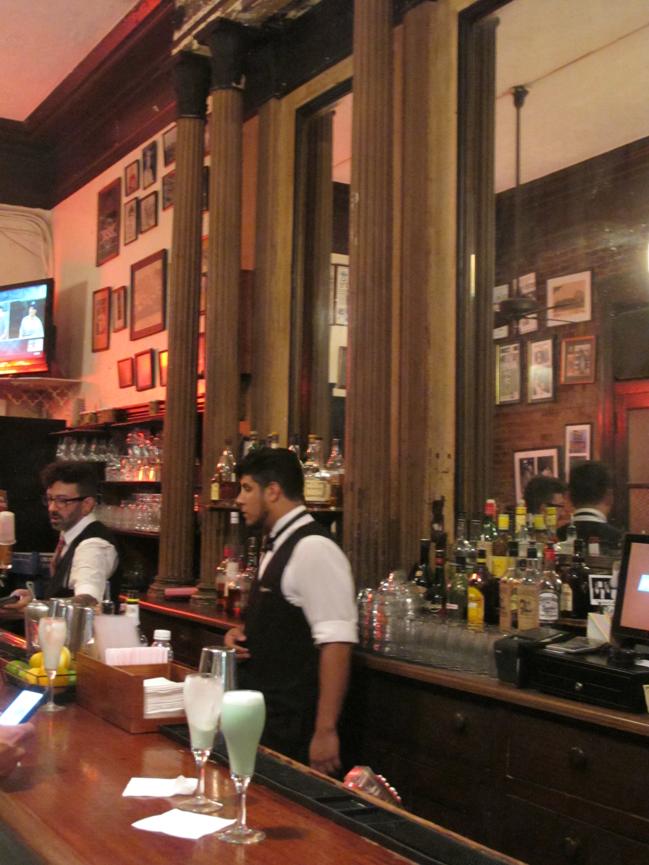
Classic cocktails have moved past the revival phase. Even Applebee’s has a whiskey smash on its menu these days. So what’s next? In a seminar called “The Cocktail Crystal Ball: Drinking in 2116,’’ David Arnold, author of “Liquid Intelligence’’ and culinary-technology expert, asked about the future: “Do you think you’ll be able to find some kind of mega-hyper-chilled drink everywhere you go? No freakin’ way. There’s only so much you can do with a drink to make it delicious.’’ The surest path to a great cocktail is to mix it with precision and use excellent ingredients. That doesn’t demand a rotovap or centrifuge or other high-tech mechanism. Bar owners around the world are turning away from glitz and esoterica and speakeasy-esque gimmicks, opting instead to offer well-made, straightforward cocktails in good old-fashioned, low-key settings without pretension. Call it aptitude over attitude. Locals have been seeing this for a while at bars like Trina’s Starlite Lounge and Highland Kitchen. We are sure to see more in the future, at new spots like Kendall Square’s The Automatic, from B-Side veteran Dave Cagle and East Coast Grill founder Chris Schlesinger.
Liza Weisstuch can be reached at liza.weisstuch@gmail.com. Follow her on Twitter @livingtheproof.
 PREVIOUS ARTICLE